Dusshera Mela Realistic Portrait
Create an ultra-realistic, naturally captured outdoor DSLR photograph of the same man from the uploaded reference photo, casually enjoying the illuminated amusement section of the Dwarka Sector 10 Dussehra mela in Delhi during early night, shortly after sunset.
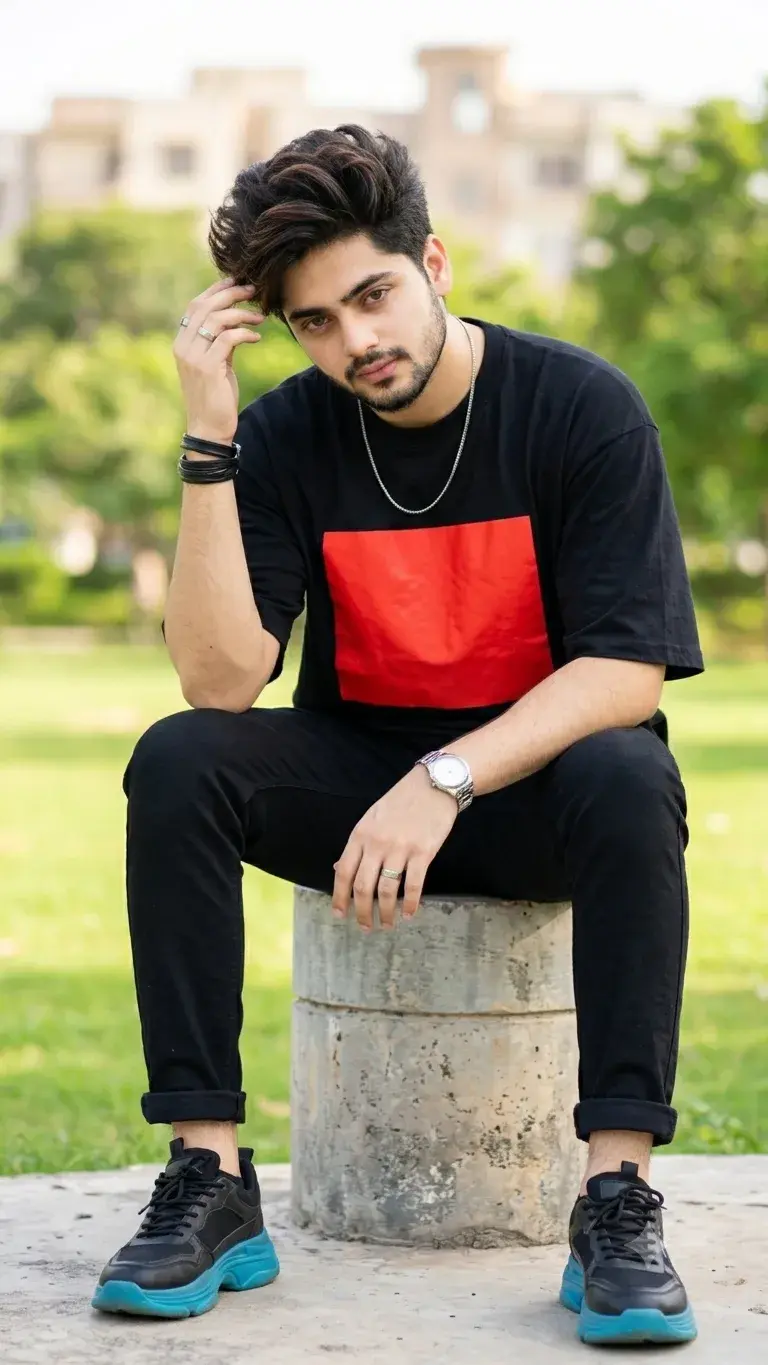
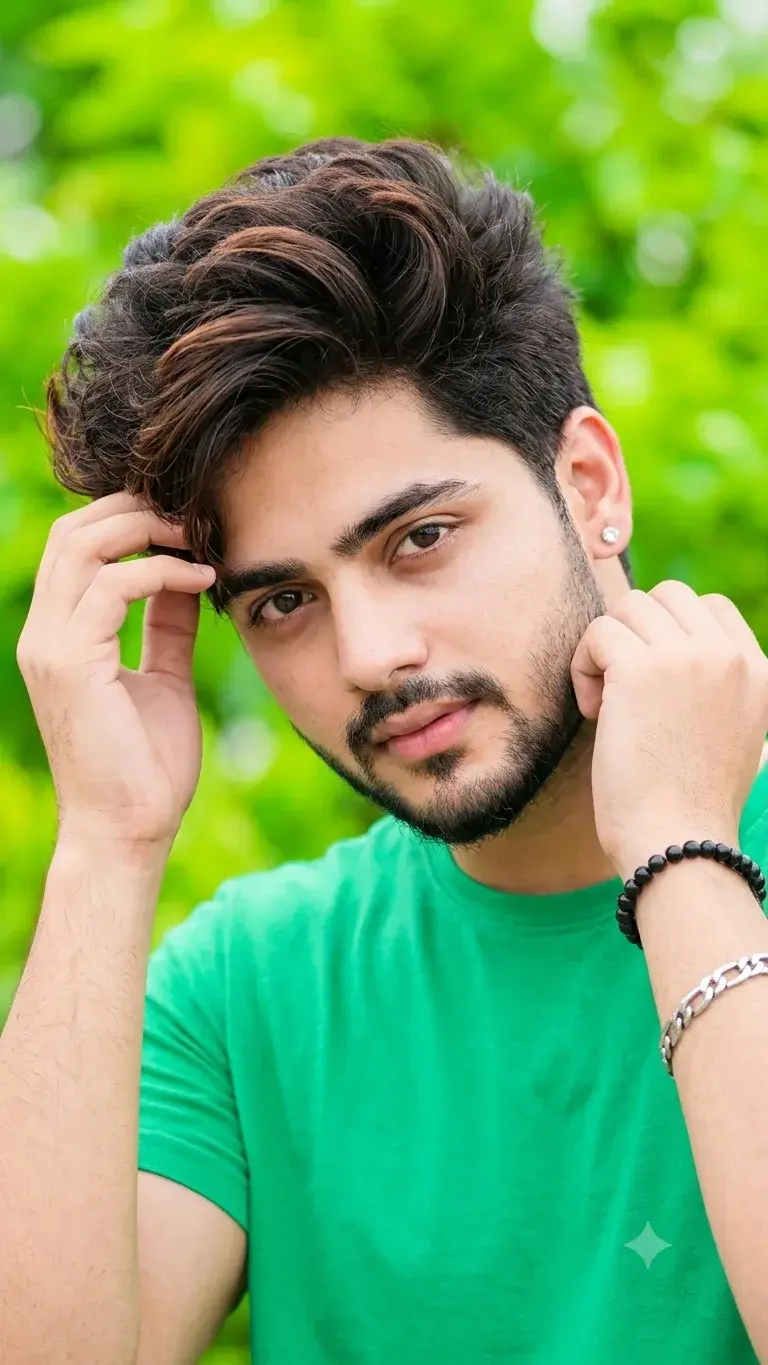
IDENTITY PRESERVATION: Use the uploaded reference photo as the sole facial identity reference. Preserve the exact facial identity, facial structure, eyes, nose, lips, beard, moustache, hairstyle, hairline, skin tone, and natural body proportions. Do not beautify, reshape, or smooth the face. Retain authentic skin pores, subtle imperfections, natural facial texture, and realistic details. The result must look unmistakably like the same person.
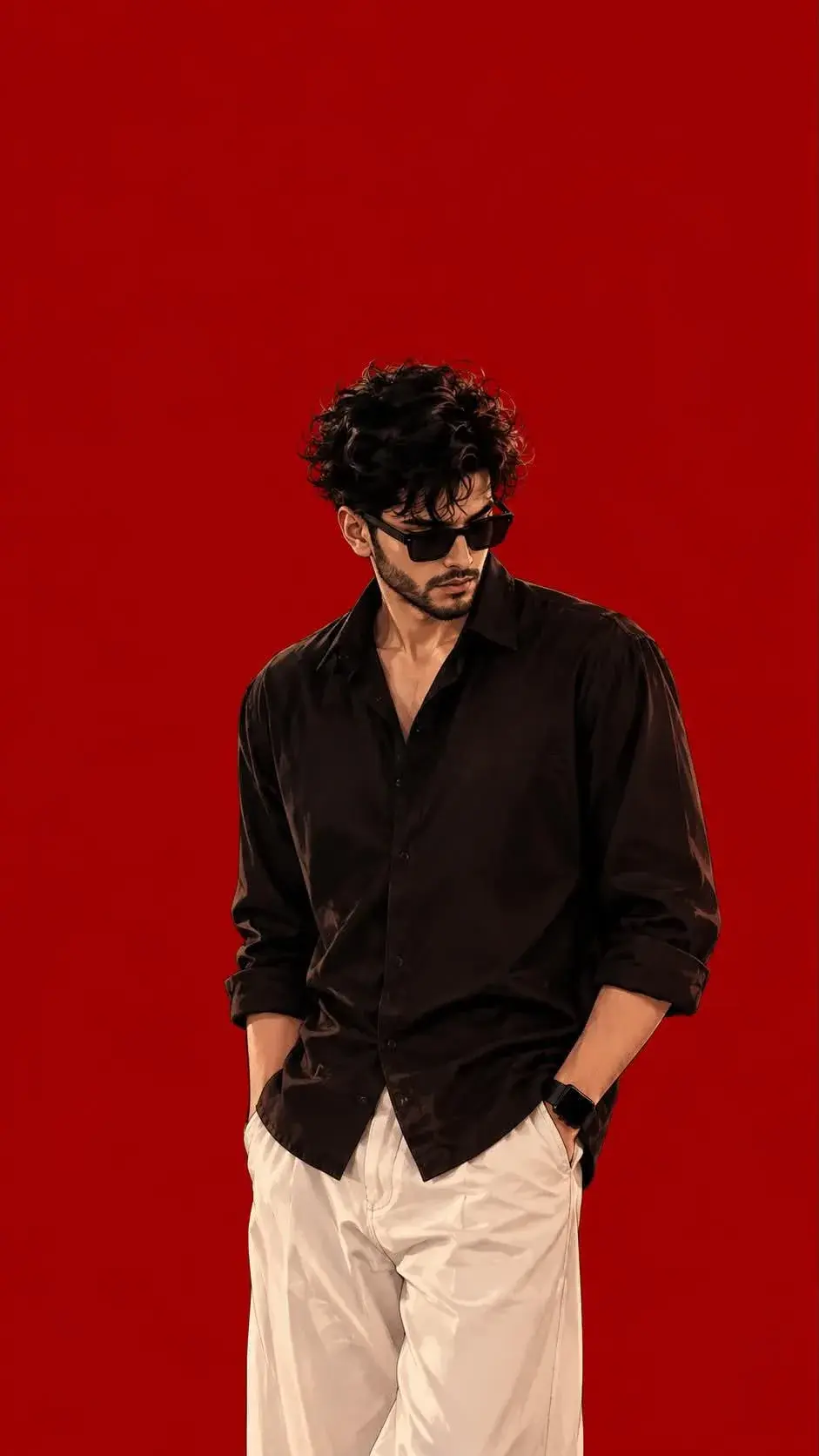
OUTFIT — MINIMALIST LUXURY CASUAL: A relaxed black button-down shirt made from soft, slightly textured fabric, with an open collar, full sleeves casually rolled up to the forearms, and a loose untucked fit. Pair it with off-white ivory wide-leg trousers featuring a relaxed drape, long hems, and natural fabric folds. Finish with clean white low-top sneakers featuring distinctive pink-red heel and side accents, white soles, and a simple red thread bracelet around one wrist. Keep the styling understated, refined, and effortlessly casual. Preserve realistic fabric texture, natural wrinkles, and believable garment proportions. No blazer, no excessive accessories, and no artificial glossy fabric.
POSE — EFFORTLESS, NATURAL, CANDID AESTHETIC: Capture the man during a quiet, spontaneous pause while exploring the mela, as though a friend has casually taken his photograph without asking him to pose.
His body is naturally angled slightly away from the camera in a relaxed three-quarter stance. Most of his weight rests comfortably on one leg, while the other foot sits slightly forward in a natural resting position. His shoulders are loose and subtly asymmetrical, his torso is relaxed, and his posture is upright without looking stiff.
One hand rests loosely inside the front trouser pocket, with the thumb naturally visible outside. His other arm hangs comfortably beside his thigh, with relaxed fingers and no deliberate gesture.
His head turns slightly toward the illuminated Ferris wheel, and his eyes casually follow the ride at a natural viewing angle. Keep his chin level or only slightly raised. His expression is calm, composed, and quietly observant, with a naturally relaxed mouth. He must not stare directly into the camera. Avoid an exaggerated side profile, dramatic upward gaze, forced smile, or fashion-model expression.
The pose should feel like a genuine moment of interest in the surrounding fairground rather than a carefully arranged photoshoot. Allow natural asymmetry in the shoulders, arms, head angle, and clothing folds.
LOCATION — DWARKA SECTOR 10 DUSSEHRA MELA: Place the subject in the amusement section of the Dwarka Sector 10 Dussehra mela in Delhi. Behind him, show a large, illuminated Ferris wheel with mechanically believable structural spokes, individual passenger gondolas, visible support frames, and practical decorative lights.
Below the wheel, include a naturally crowded fairground with Indian families, parents accompanying children, groups of friends, visitors waiting behind metal railings, and people walking between ride entrances and temporary stalls. Add a few distant food stalls, decorative bulbs, and other amusement structures to establish the atmosphere of a real Delhi festival.
The crowd must look spontaneous, with varied body positions, natural spacing, and realistic interactions. Some visitors may be partially obscured by others or by railings. Avoid perfectly arranged people, duplicated faces, repetitive figures, and an artificially empty background.
FERRIS WHEEL COMPOSITION: The Ferris wheel should rise naturally behind and slightly to one side of the subject. Keep its circular structure and gondolas clearly recognisable without placing the centre of the wheel directly behind the subject's head. Its size and perspective must be physically believable. The ride should provide a colourful environmental backdrop rather than overpower the portrait.
TIME AND ATMOSPHERE: Early night just after sunset, during blue hour. The sky has a natural blue-grey tone with a faint trace of remaining twilight near the horizon. The surroundings are sufficiently illuminated to reveal the crowd, ride structure, and fairground details, while the colourful ride lights stand out naturally against the darker sky.
The atmosphere should resemble a busy October evening in Delhi, with subtle environmental haze and realistic distance between foreground visitors, the subject, and the rides. Do not create a pitch-black sky, artificial fog, or an exaggerated fantasy-fairground appearance.
LIGHTING — NATURAL PRACTICAL LIGHT SOURCES: Illuminate the Ferris wheel with realistic warm-white, red, blue, green, and yellow bulbs. Nearby stalls and fairground floodlights provide soft ambient illumination across the subject and surroundings.
The man's face should receive believable environmental light without an artificial studio spotlight. Maintain realistic shadow transitions around his jaw, neck, rolled sleeves, and trousers. The black shirt must retain visible fabric texture and shadow detail instead of becoming a featureless black mass. The ivory trousers must remain naturally off-white, and the white sneakers should retain their actual details.
Allow restrained coloured reflections on nearby metal railings and ride structures. Keep skin tones neutral and realistic, with no strong neon colour cast on the face. Bright bulbs may show a subtle optical glow, but avoid exaggerated halos, artificial rim lighting, or glowing outlines around the subject.
CAMERA AND COMPOSITION: Professional full-frame DSLR photography using a natural 50mm lens perspective, aperture around f/4, shutter speed approximately 1/160 second, and ISO 800–1600 depending on the available light.
Position the camera at natural eye level, approximately 3–4 metres from the subject. Use a vertical 4:5 composition with a near-full-body or three-quarter framing that shows the relaxed trouser silhouette and, where possible, the white sneakers with pink-red accents.
Place the subject slightly off-centre, leaving enough space for the Ferris wheel and the natural movement of the crowd. Avoid extreme wide-angle distortion, unnaturally long legs, oversized feet, or compressed perspective.
Keep the face and clothing realistically detailed. The Ferris wheel must remain recognisable, while the distant crowd becomes gradually softer according to actual distance. Use genuine optical depth of field rather than artificial portrait-mode separation.
AUTHENTIC DSLR COLOUR AND TEXTURE: Natural DSLR colour reproduction, accurate medium skin tones, neutral black fabric, realistic ivory trousers, natural denim-like fabric behaviour where applicable, restrained saturation, and balanced dynamic range. Preserve subtle camera grain in darker areas, natural highlight roll-off around the ride bulbs, realistic shadow detail, and restrained sharpening.
The photograph should look naturally exposed and minimally edited, with small photographic imperfections that make it believable. Avoid excessive clarity, plastic skin, oversharpened facial edges, heavy teal-orange grading, extreme HDR, fake bokeh, and oversaturated neon colours.
SINGLE-PHOTOGRAPH REALISM: The entire image must appear to have been captured in one genuine exposure by a photographer physically present at the fairground. The subject, crowd, Ferris wheel, and surrounding structures must share consistent perspective, lighting direction, exposure, colour response, and atmospheric depth.
Maintain believable ground contact, natural clothing shadows, realistic body proportions, and coherent environmental illumination. No pasted-person appearance, background replacement, cutout edges, artificial subject separation, or compositing artefacts.
STRICT NEGATIVE INSTRUCTIONS: No direct-to-camera stare, no dramatic model pose, no exaggerated hip shift, no stiff arms, no artificial smile, no glowing hair edges, no plastic skin, no beauty filter, no face alteration, no distorted hands, no duplicated people, no warped Ferris wheel spokes, no malformed gondolas, no floating feet, no artificial shadows, no excessive background blur, no CGI appearance, no text, and no watermark.
FINAL RESULT: An exceptionally realistic, naturally captured evening DSLR photograph of the same man enjoying the illuminated Ferris wheel at the Dwarka Sector 10 Dussehra mela. He wears a relaxed black button-down shirt with rolled sleeves, ivory wide-leg trousers, white sneakers with pink-red accents, and a red thread bracelet. His body language is effortless, his gaze follows the ride rather than the camera, and the surrounding families, colourful lights, and fairground structures create a believable sense of being there. The final image should resemble a genuine candid photograph from a real evening outing, not a staged fashion shoot or an AI-generated composite. Vertical 4:5 aspect ratio.