Dwapar Yuga Historical Transformation
OBJECTIVE: ULTRA-PHOTOREALISTIC DWAPAR YUGA HISTORICAL TRANSFORMATION
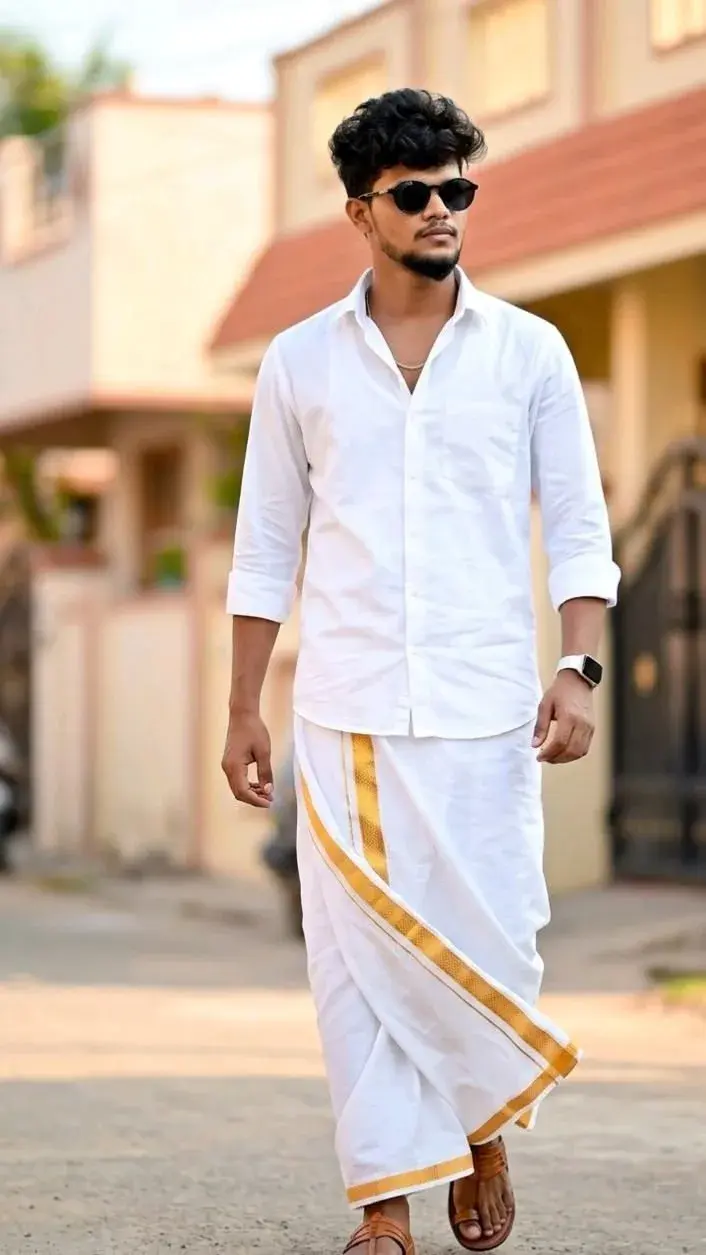
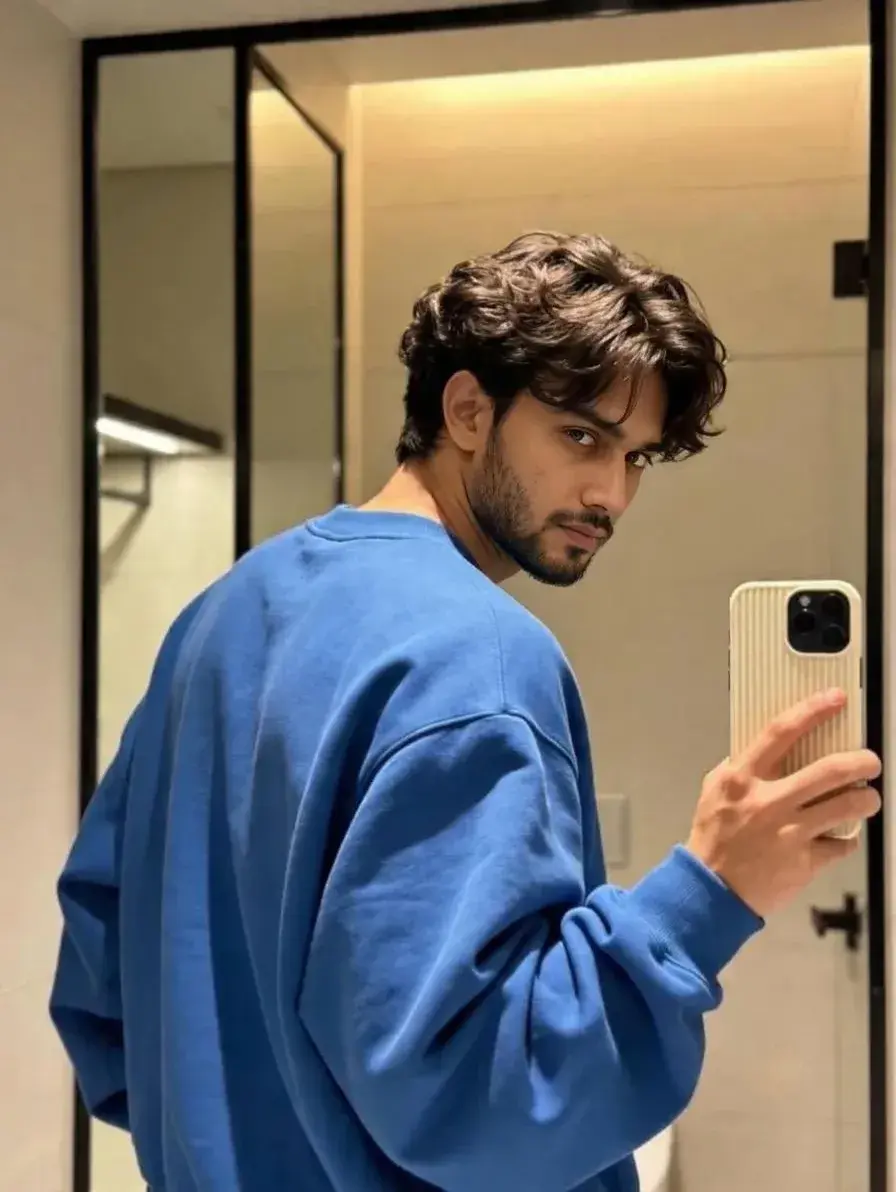
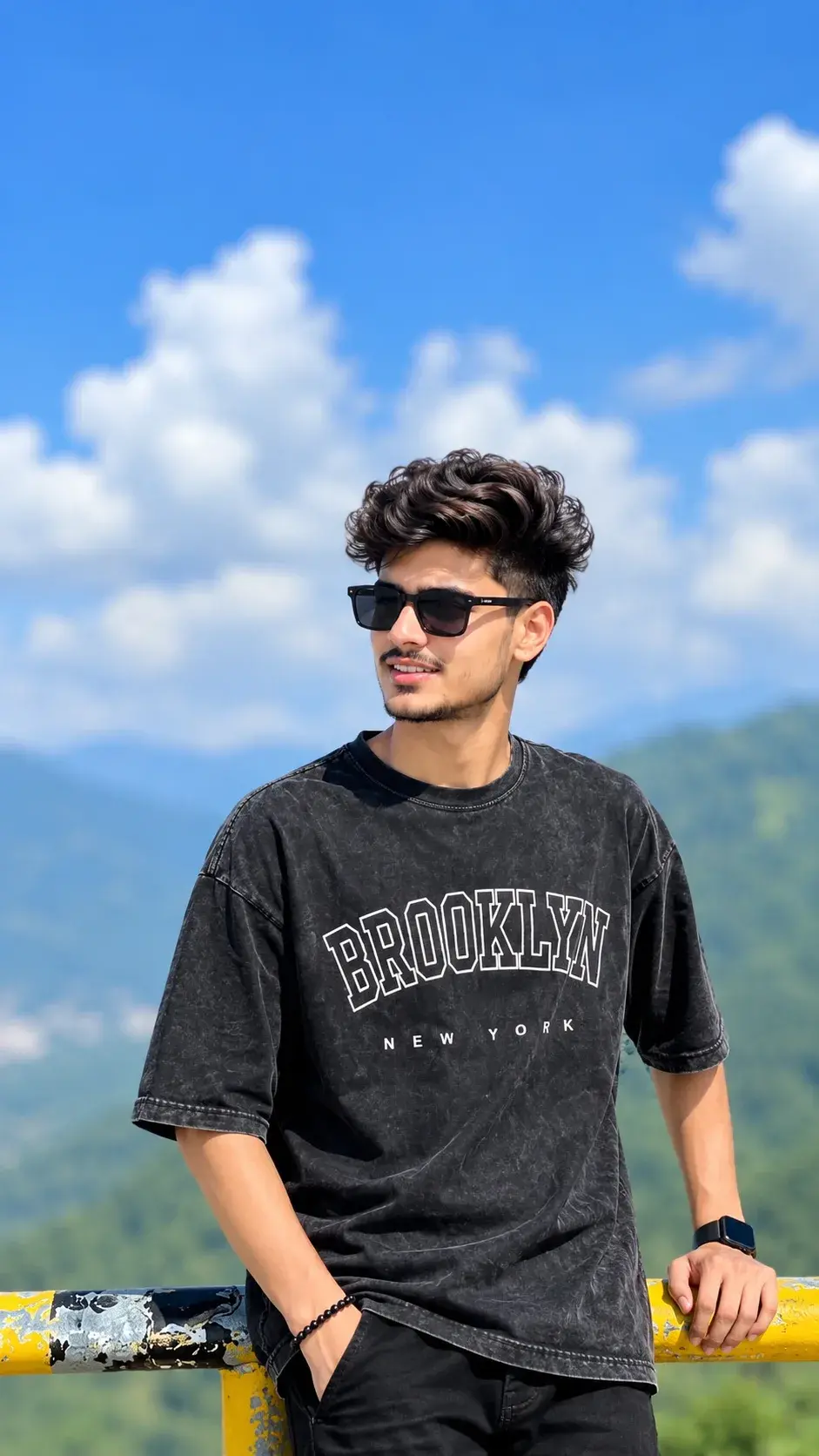
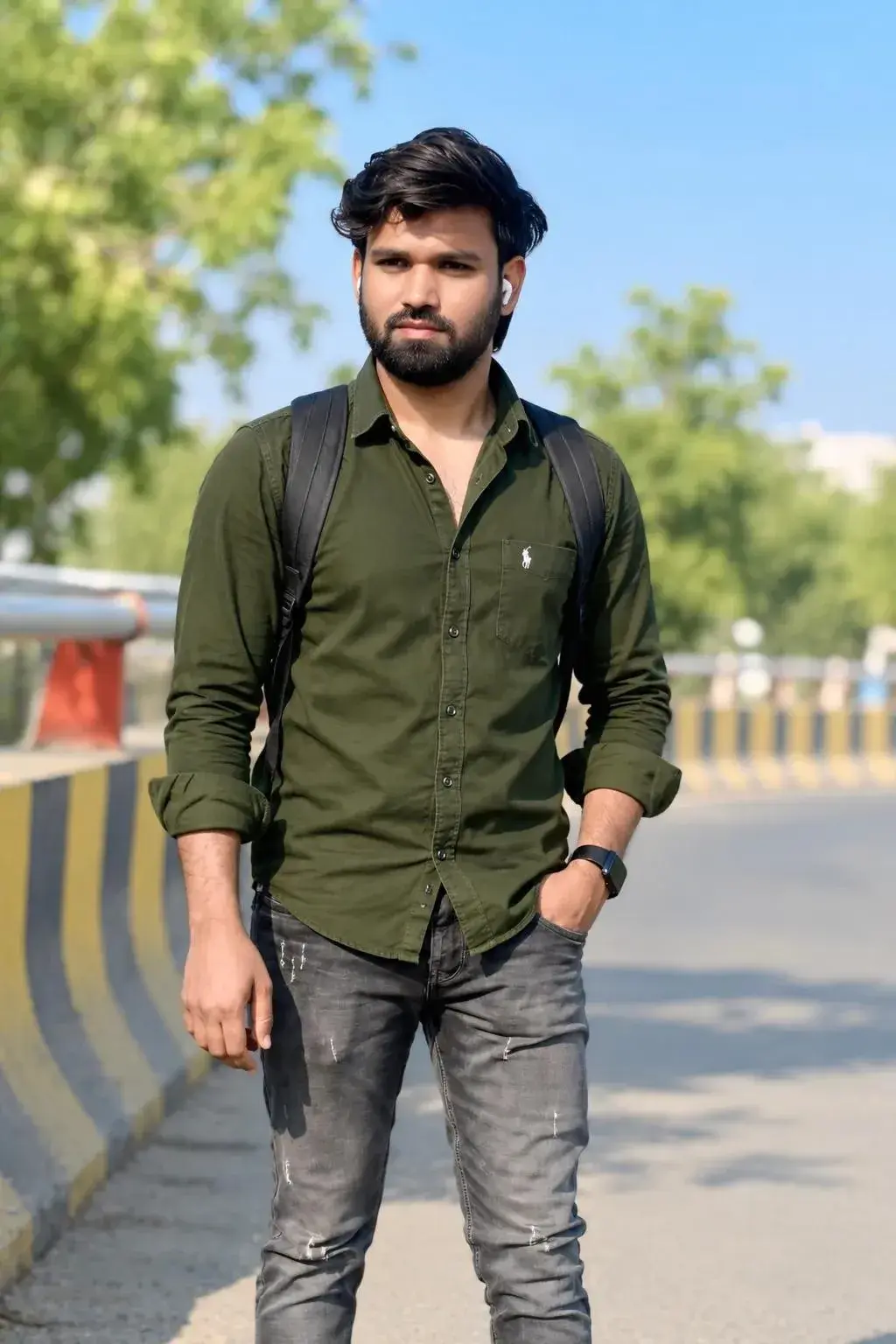
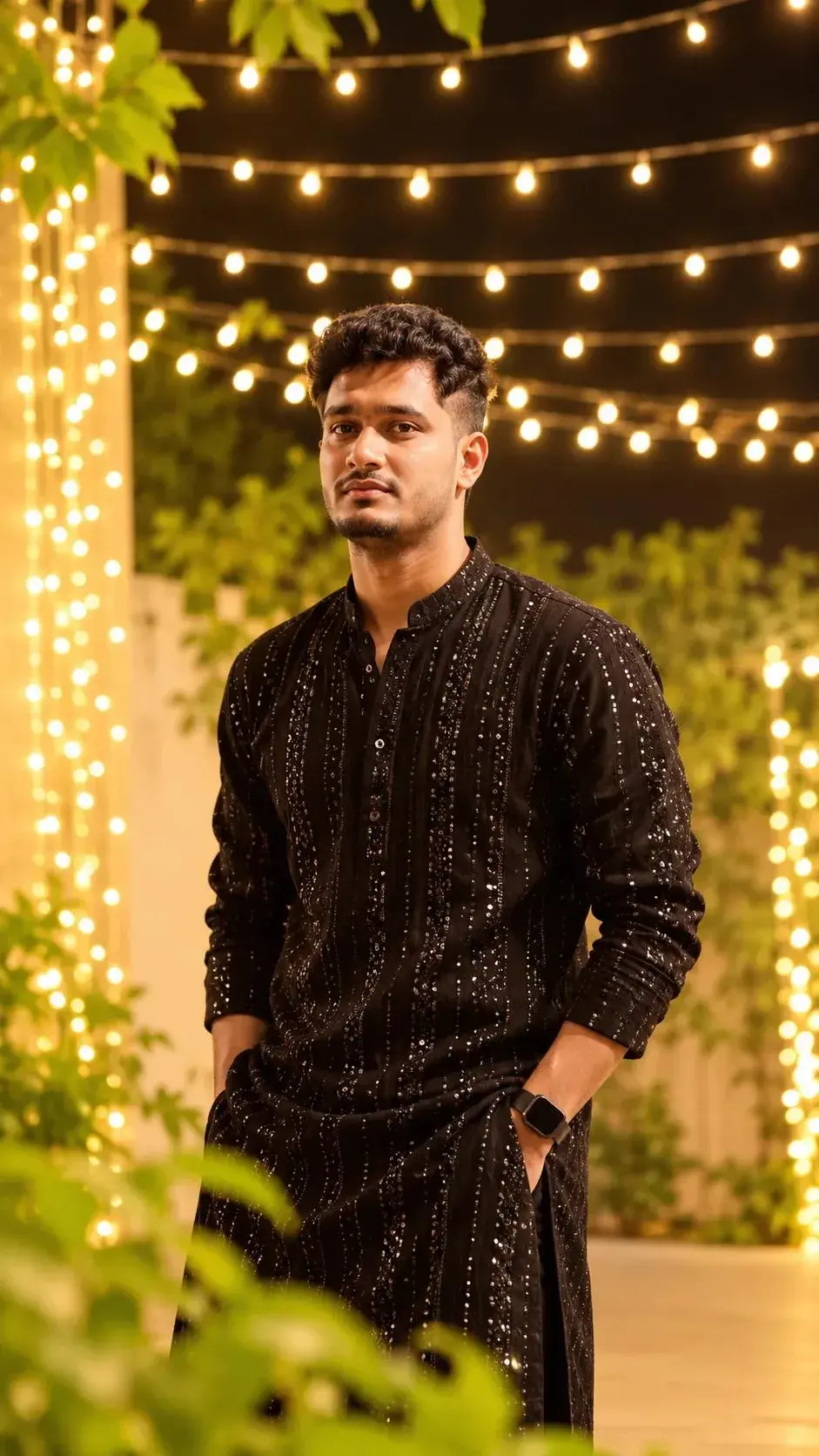
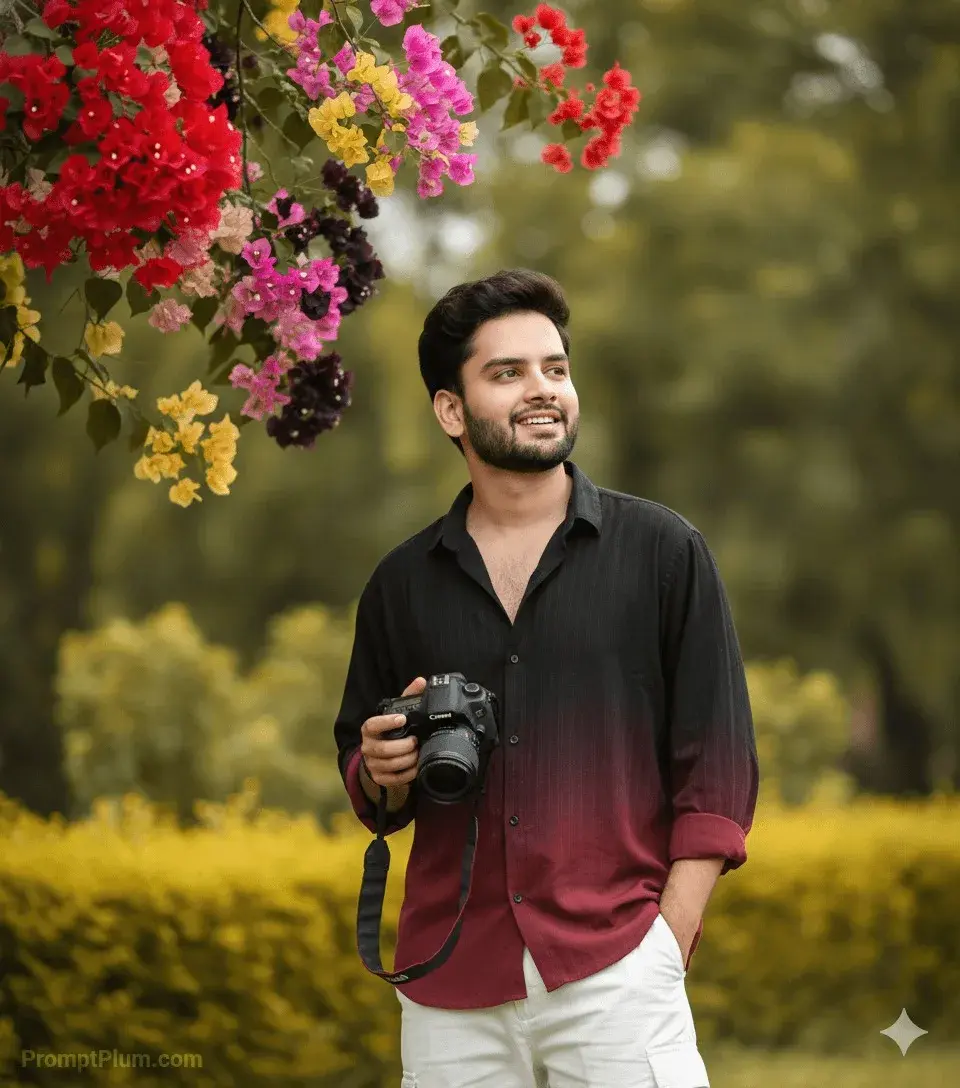
Transform the person in the uploaded reference photograph into a historically inspired, ultra-realistic depiction of how the same person might have looked if they had lived during the ancient Indian Dwapar Yuga, the legendary era associated with Lord Krishna and the Mahabharata.
1. ABSOLUTE FACE AND IDENTITY PRESERVATION — HIGHEST PRIORITY
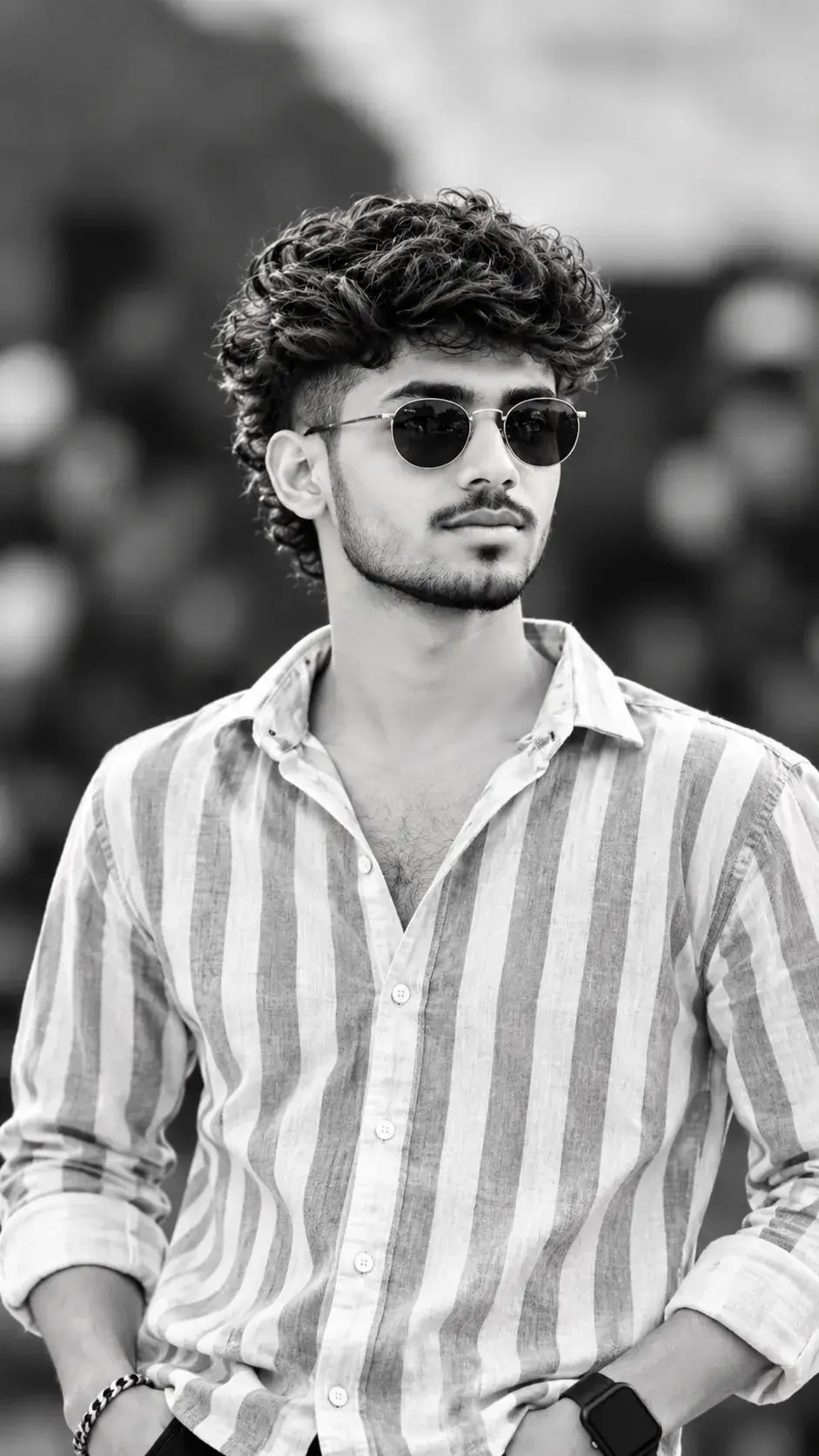
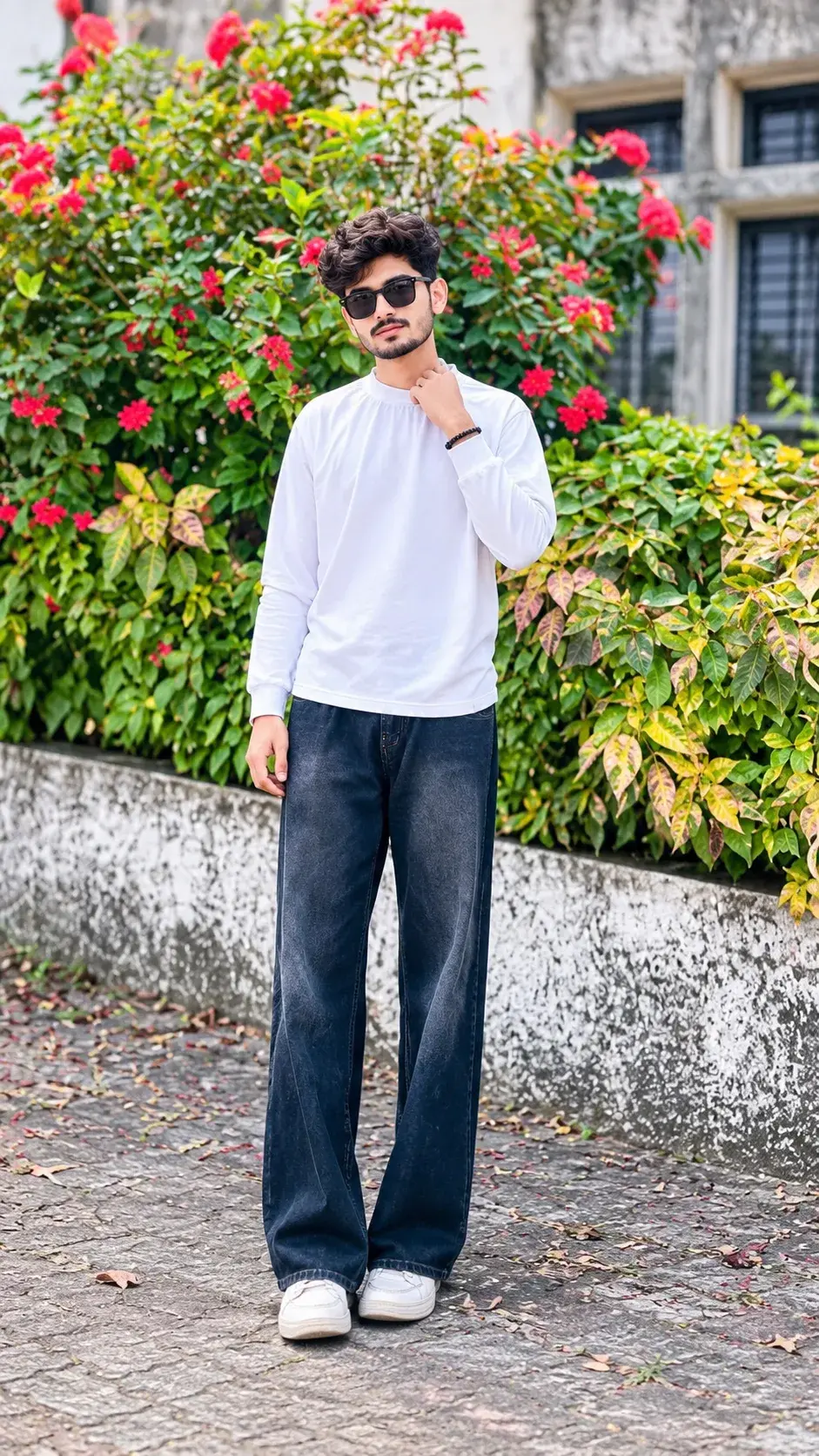
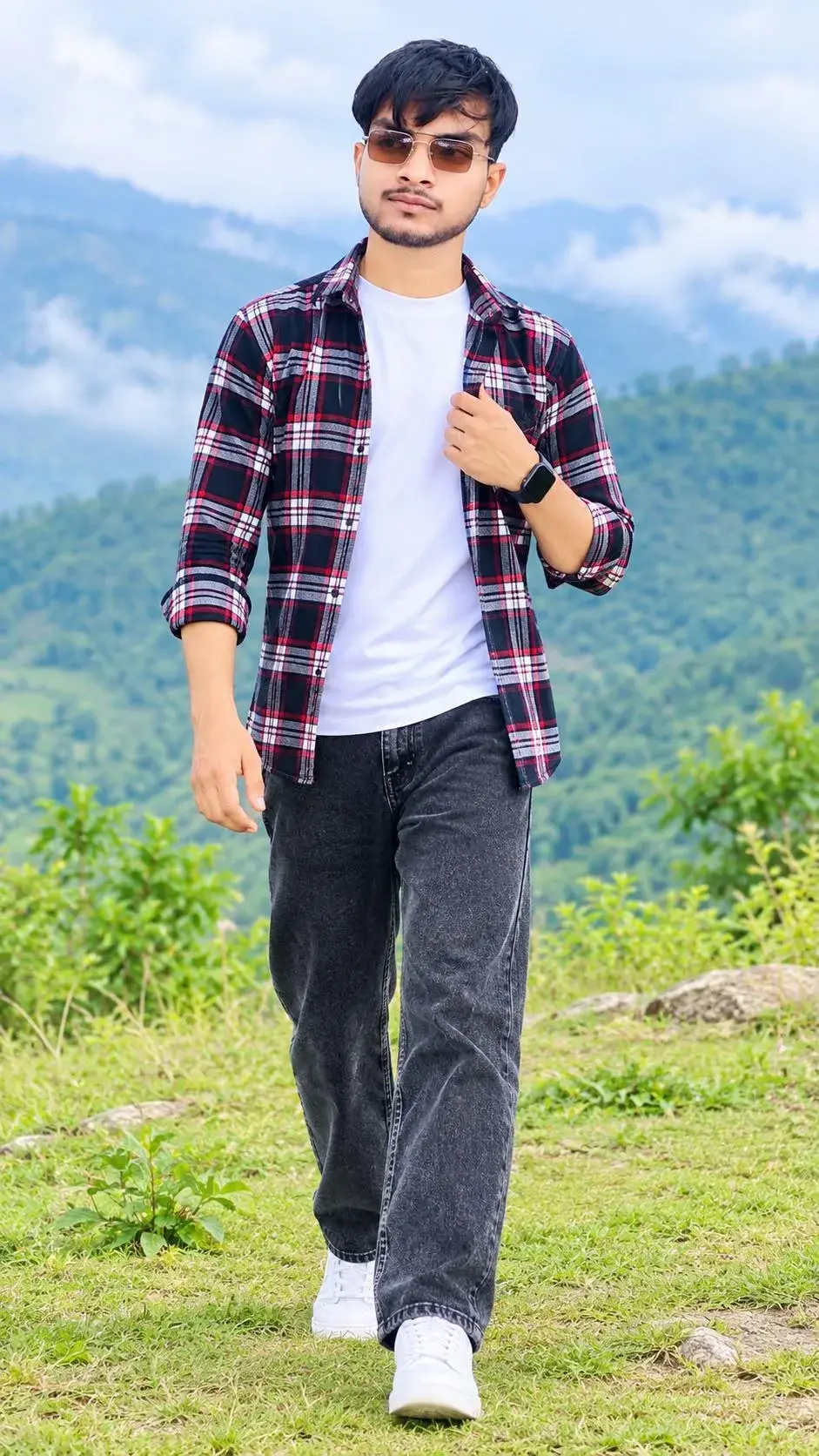
Preserve the person's exact original face and identity from the reference photograph. Maintain the same facial structure, eyes, eyebrows, nose, lips, jawline, cheeks, forehead, skin tone, natural skin texture, facial hair, and distinctive identifying features.
The person must remain instantly recognizable as the exact same individual. Do not beautify, reshape, regenerate, or modify the face. Preserve the original facial expression unless a subtle adjustment is necessary for the scene. Keep the original age and natural appearance.
2. DWAPAR YUGA APPEARANCE AND CLOTHING
Dress the person in authentic-looking, ancient Indian royal attire inspired by the Mahabharata period.
- An elegant silk dhoti in deep saffron, royal cream, or rich maroon.
- A beautifully draped traditional angavastram over one shoulder.
- An intricately designed golden waistband and traditional armlets.
- Tasteful ancient Indian gold jewellery, including a necklace, bracelets, and earrings where appropriate.
- A traditional royal head ornament or simple golden mukut, only if it suits the person's appearance.
- Natural, historically inspired long hair or a traditional tied hairstyle, while keeping the original face completely unchanged.
- Barefoot or wearing simple traditional footwear appropriate to the scene.
The overall appearance should be regal, masculine, dignified, spiritual, and historically inspired, without looking like a modern costume or a cartoon character.
3. ANCIENT INDIAN ENVIRONMENT
Place the person in a breathtaking Dwapar Yuga-inspired setting, such as the royal city of Dwarka, an ancient palace courtyard, a magnificent sandstone temple, or a peaceful riverside ashram.
Include intricate stone architecture, carved pillars, traditional oil lamps, ancient Indian chariots, lush greenery, and subtle golden sunlight. The background should feel majestic, culturally rich, and believable.
4. POSE AND BODY PROPORTIONS
Maintain the person's exact original body shape, height proportions, shoulder width, physique, and natural anatomy. Do not make the person artificially muscular, thinner, taller, or broader.
Give the person a confident yet peaceful royal stance, with relaxed shoulders and a natural expression. The pose should convey courage, wisdom, dignity, and inner strength.
5. CINEMATIC LIGHTING AND PHOTOGRAPHIC REALISM
Create the image as though captured by a professional photographer using a high-end DSLR camera.
Use realistic golden-hour sunlight, soft directional lighting, natural shadows, physically accurate fabric textures, detailed gold ornaments, realistic skin pores, and cinematic depth of field.
Apply sophisticated Indian historical-film colour grading with warm gold, earthy brown, muted saffron, and natural skin tones. Keep the face sharply focused and the background beautifully detailed.
6. FINAL IMAGE QUALITY
Ultra-photorealistic, 8K-quality appearance, professional historical portrait photography, realistic human anatomy, intricate traditional clothing, authentic-looking materials, natural skin texture, premium cinematic composition, lifelike eyes, realistic lighting, and exceptional fine detail.
The final result must look like a real photograph of the original person living in the legendary Dwapar Yuga, not an AI-generated character, painting, illustration, video-game model, or artificial-looking fantasy portrait.
STRICT NEGATIVE INSTRUCTIONS:
Do not change the original face, identity, facial proportions, skin tone, age, or distinctive features. No face swapping, no facial reconstruction, no plastic skin, no excessive beauty filters, no exaggerated muscles, no distorted hands, no extra fingers, no artificial jewellery, no modern clothing, no modern buildings, no cartoon effects, no anime style, no oversaturated colours, and no artificial-looking facial details.
FINAL GOAL: Make it look as though the exact same person from the uploaded photograph has travelled back to Dwapar Yuga and been photographed in a majestic ancient Indian setting, wearing royal traditional attire, with their original face preserved perfectly.