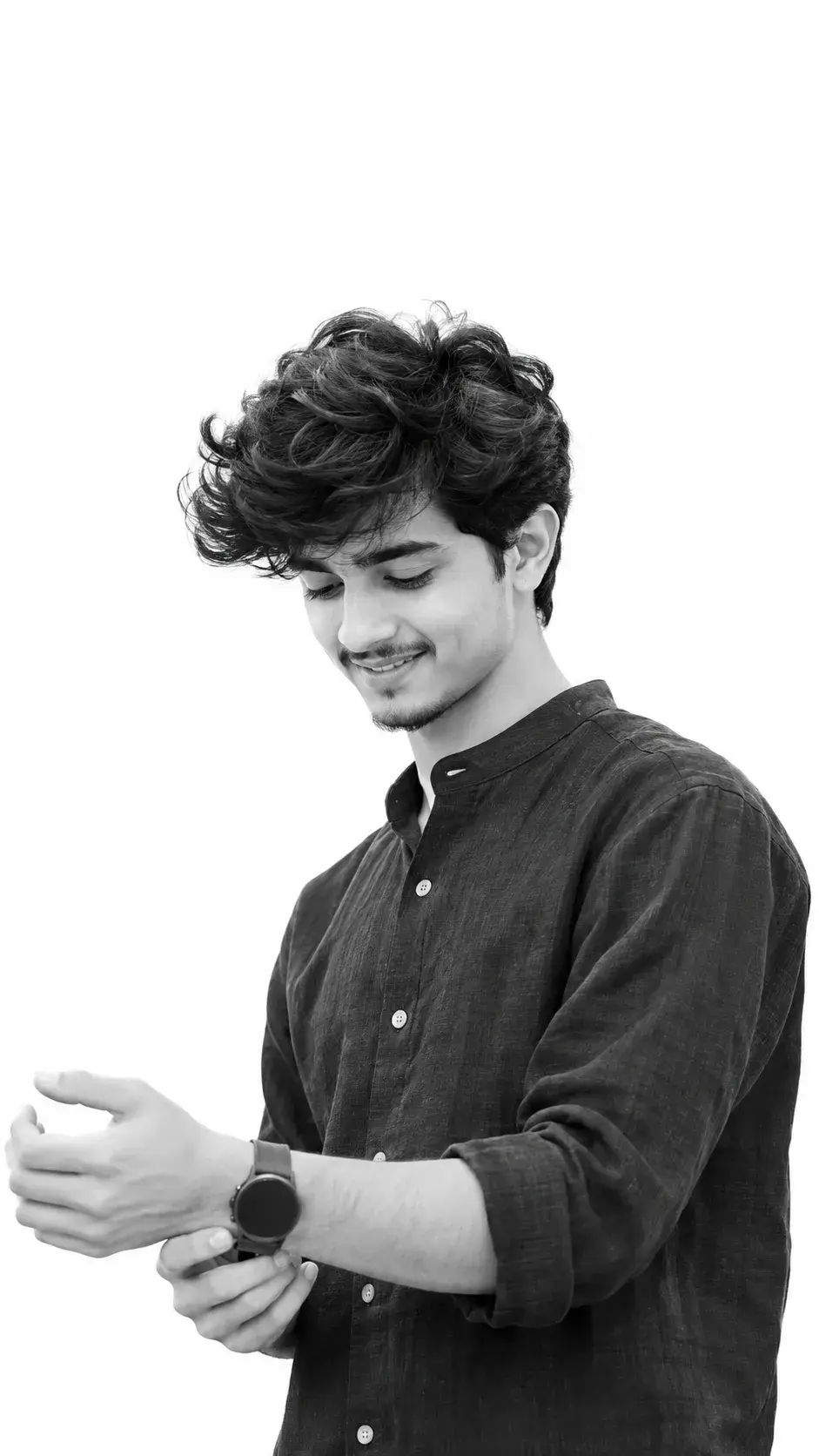
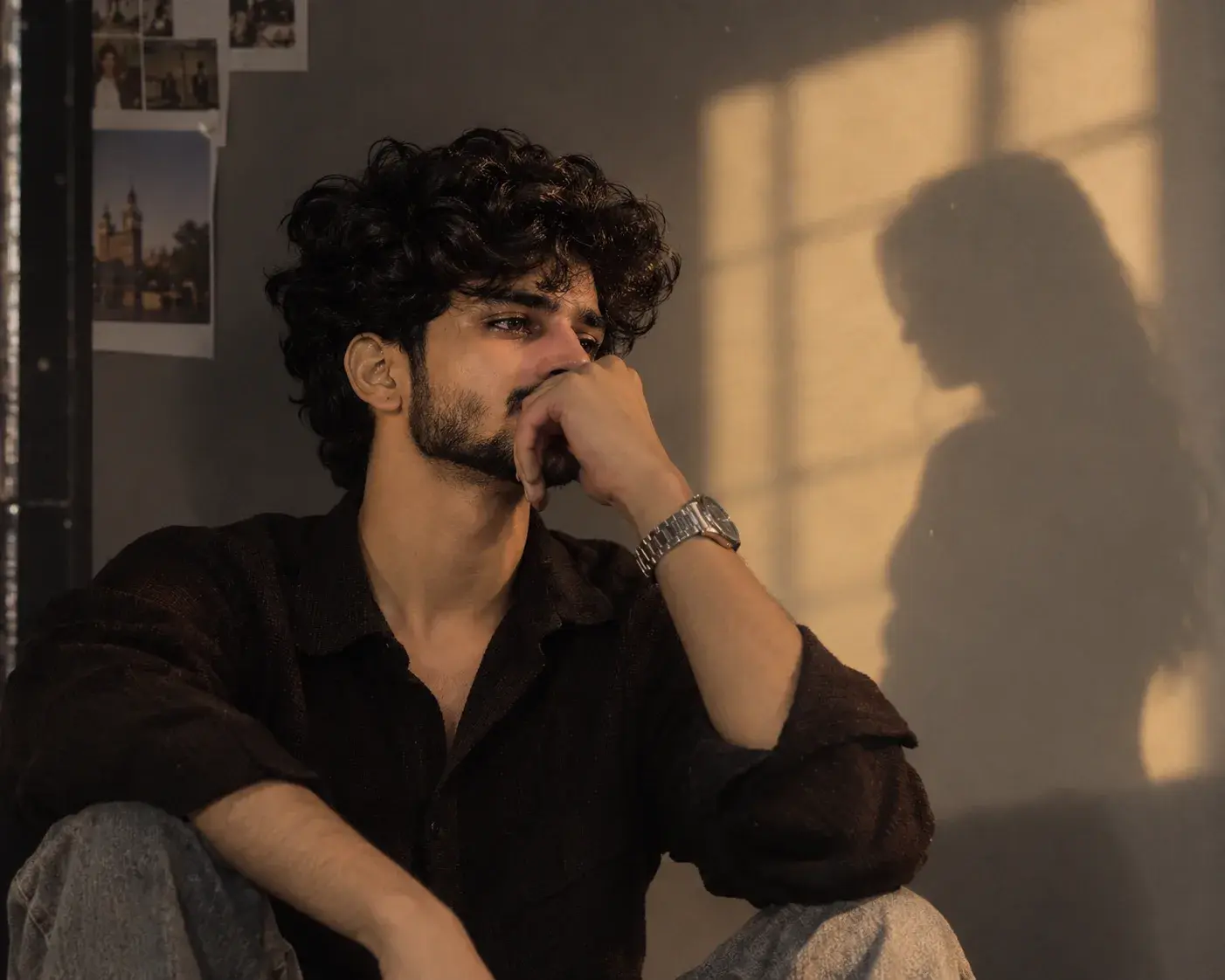
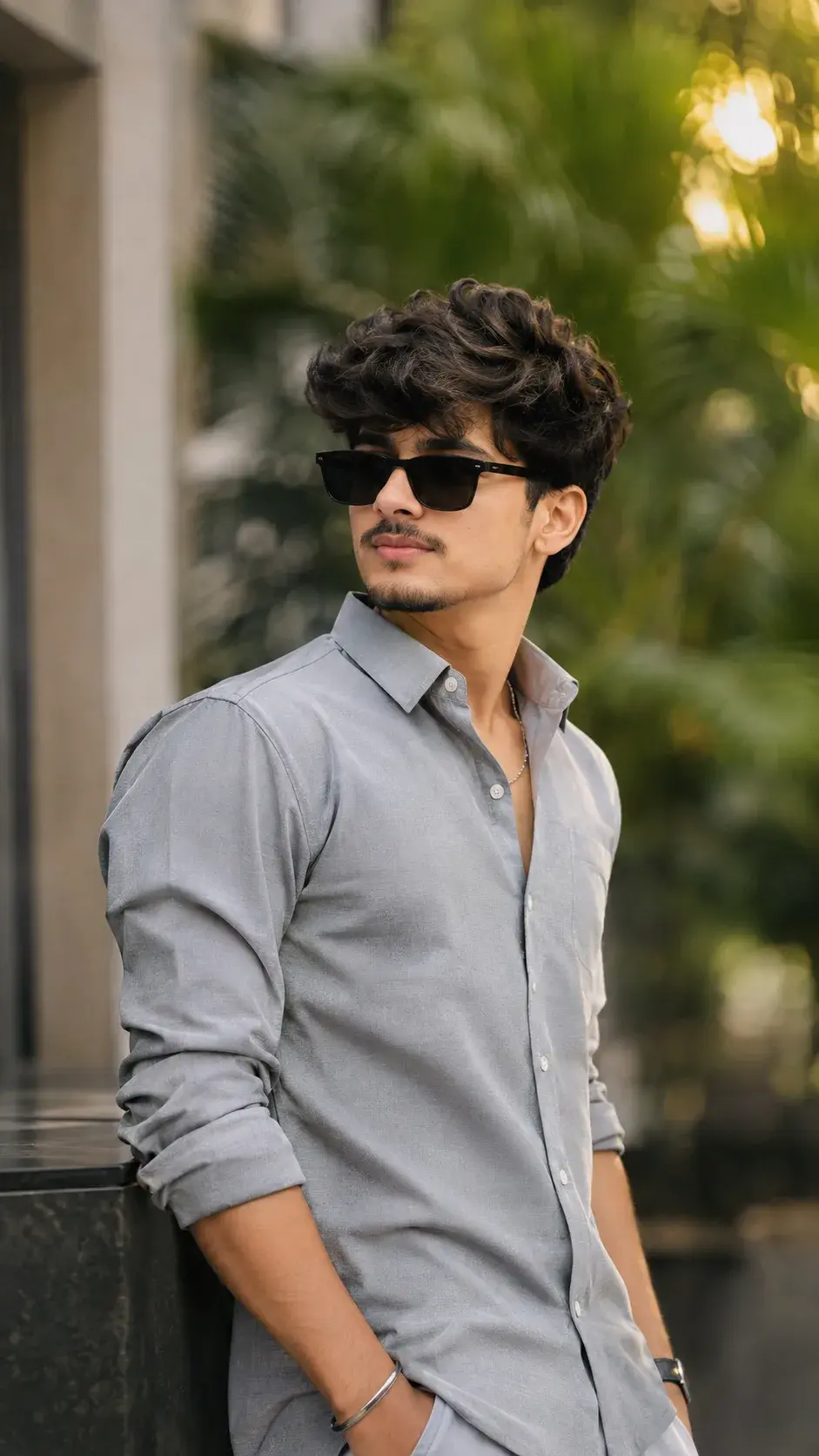
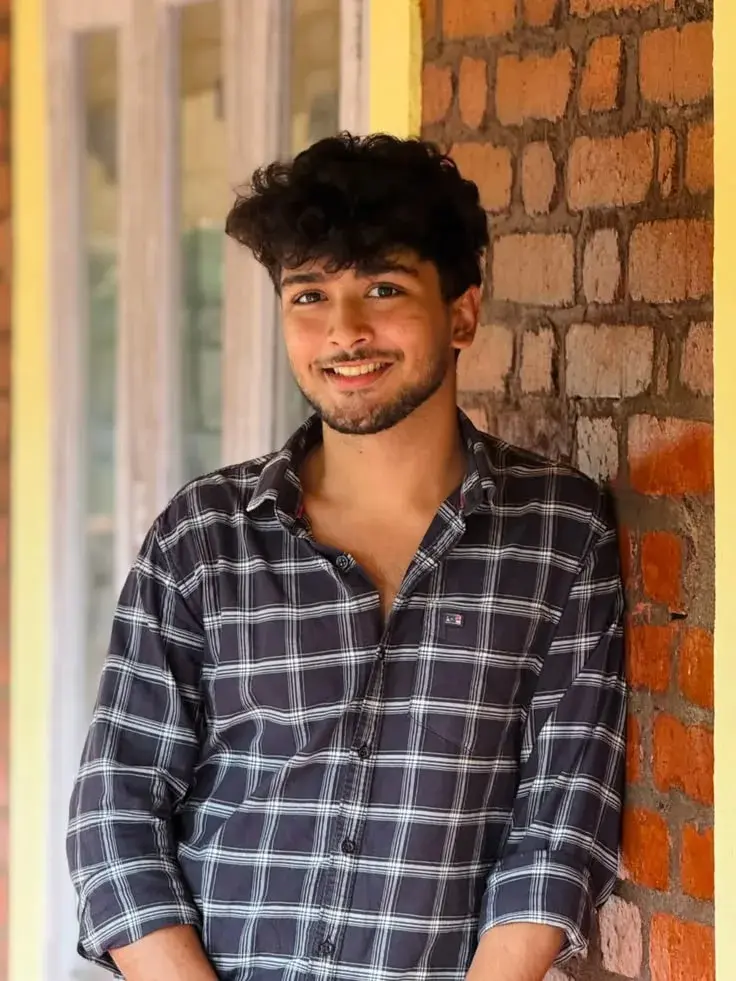
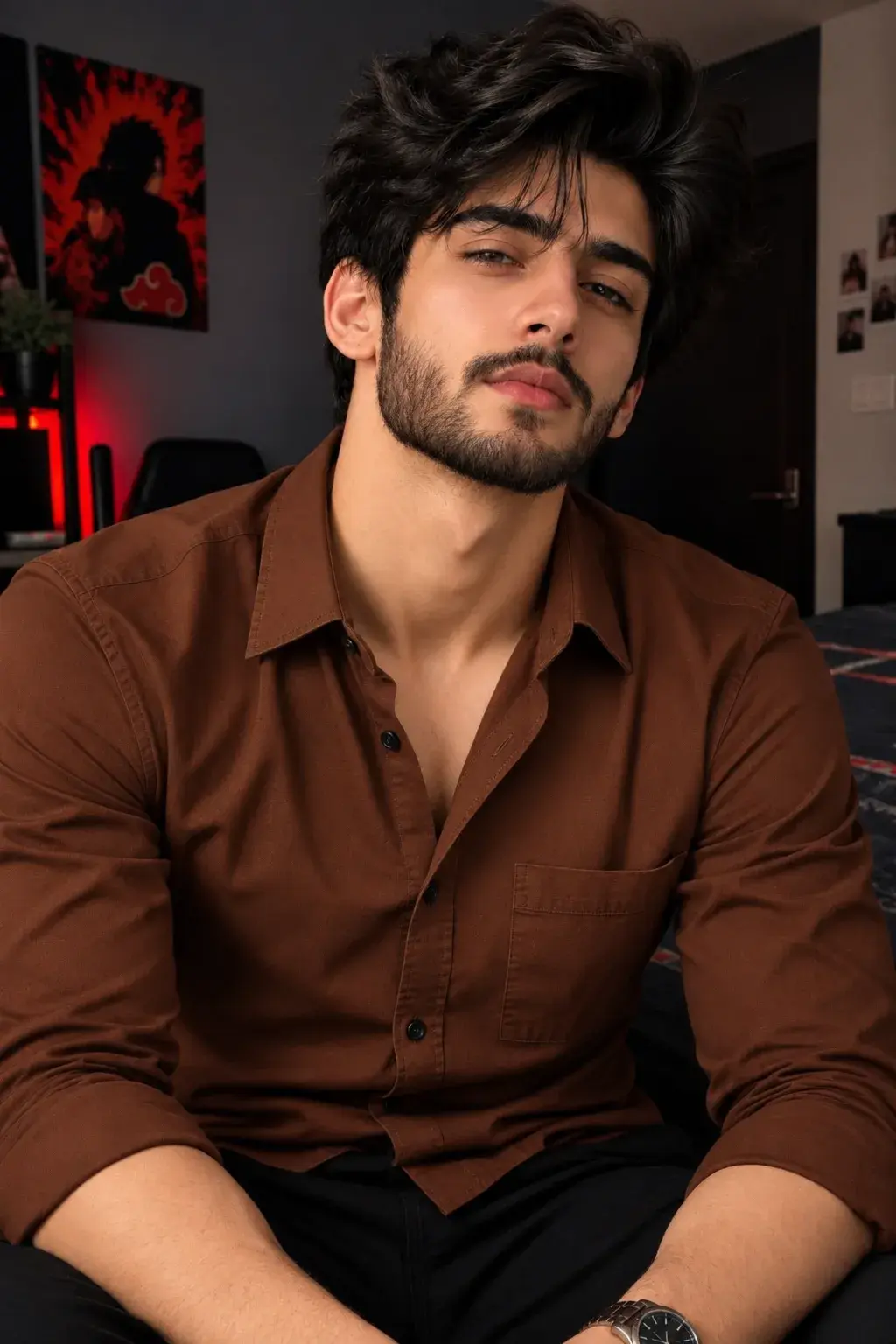
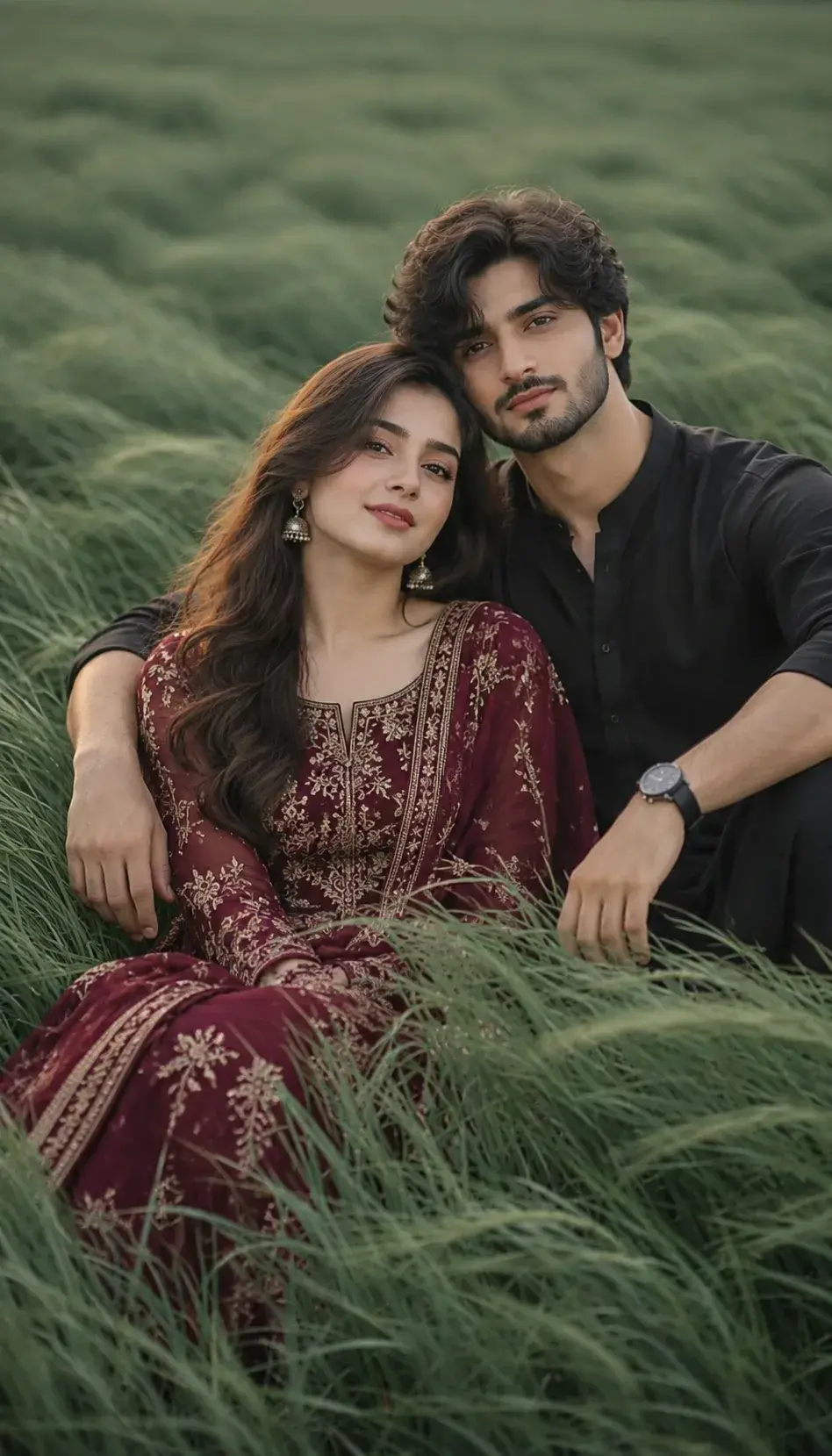
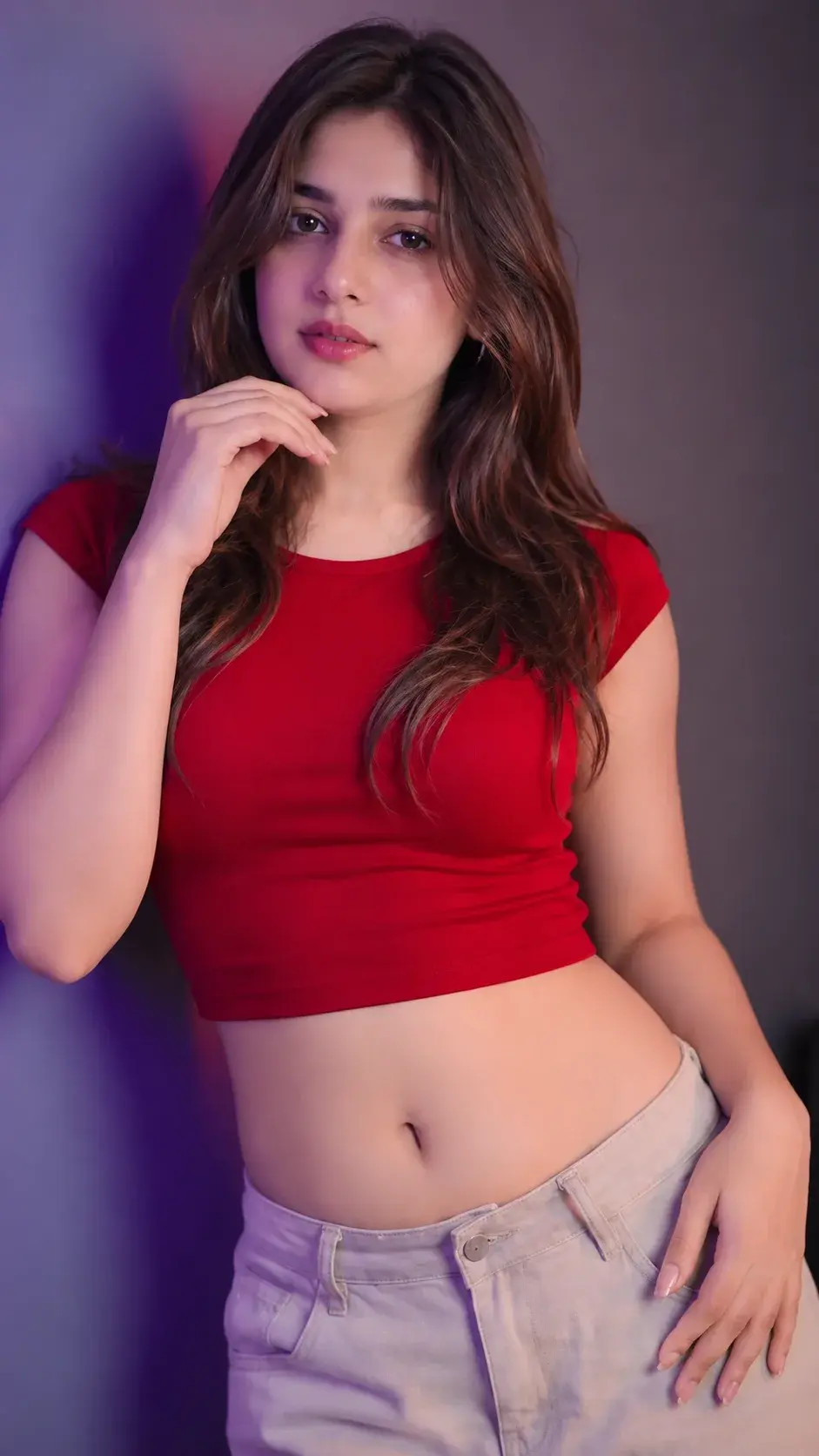
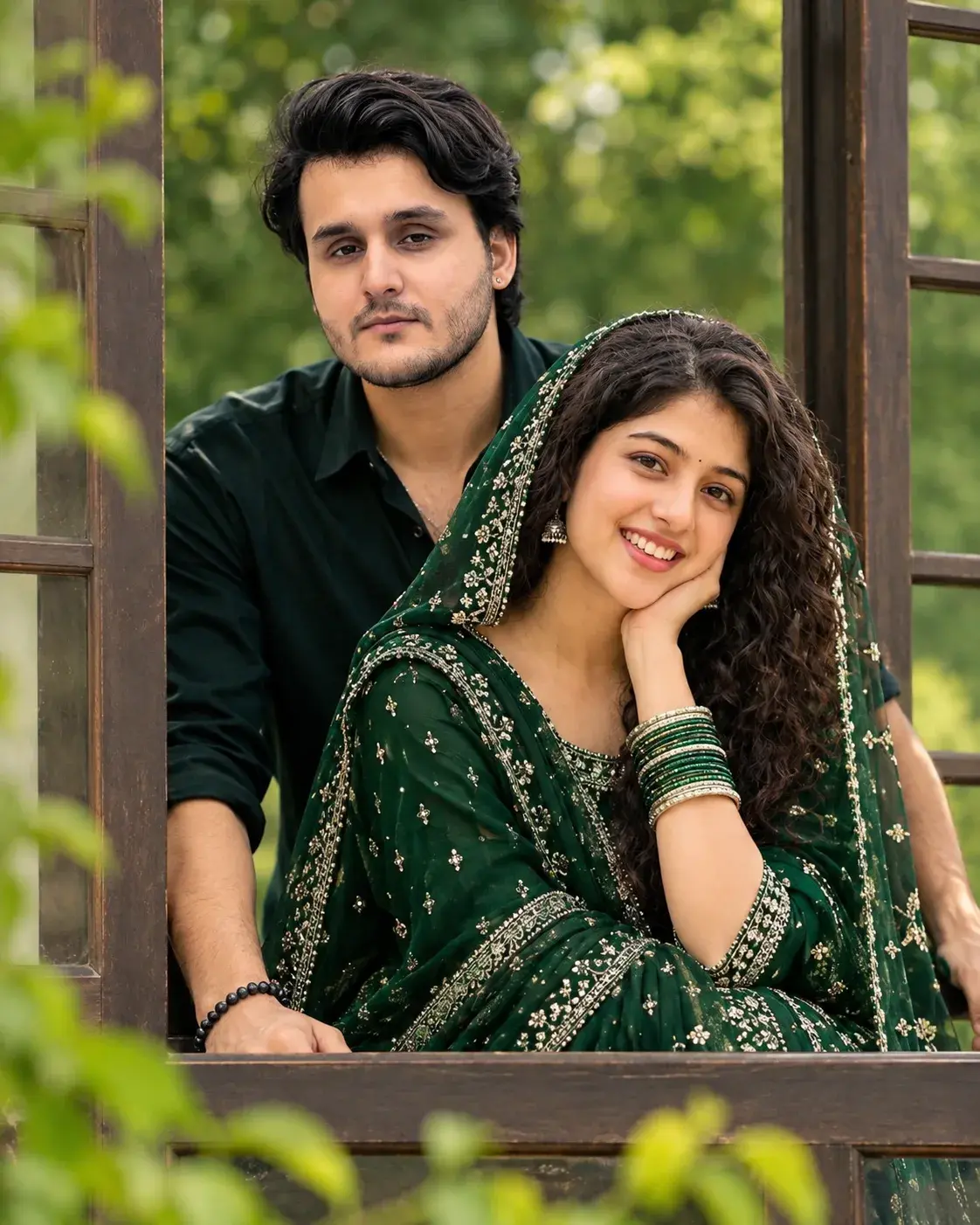
"Filmy Dark Cinematic DP
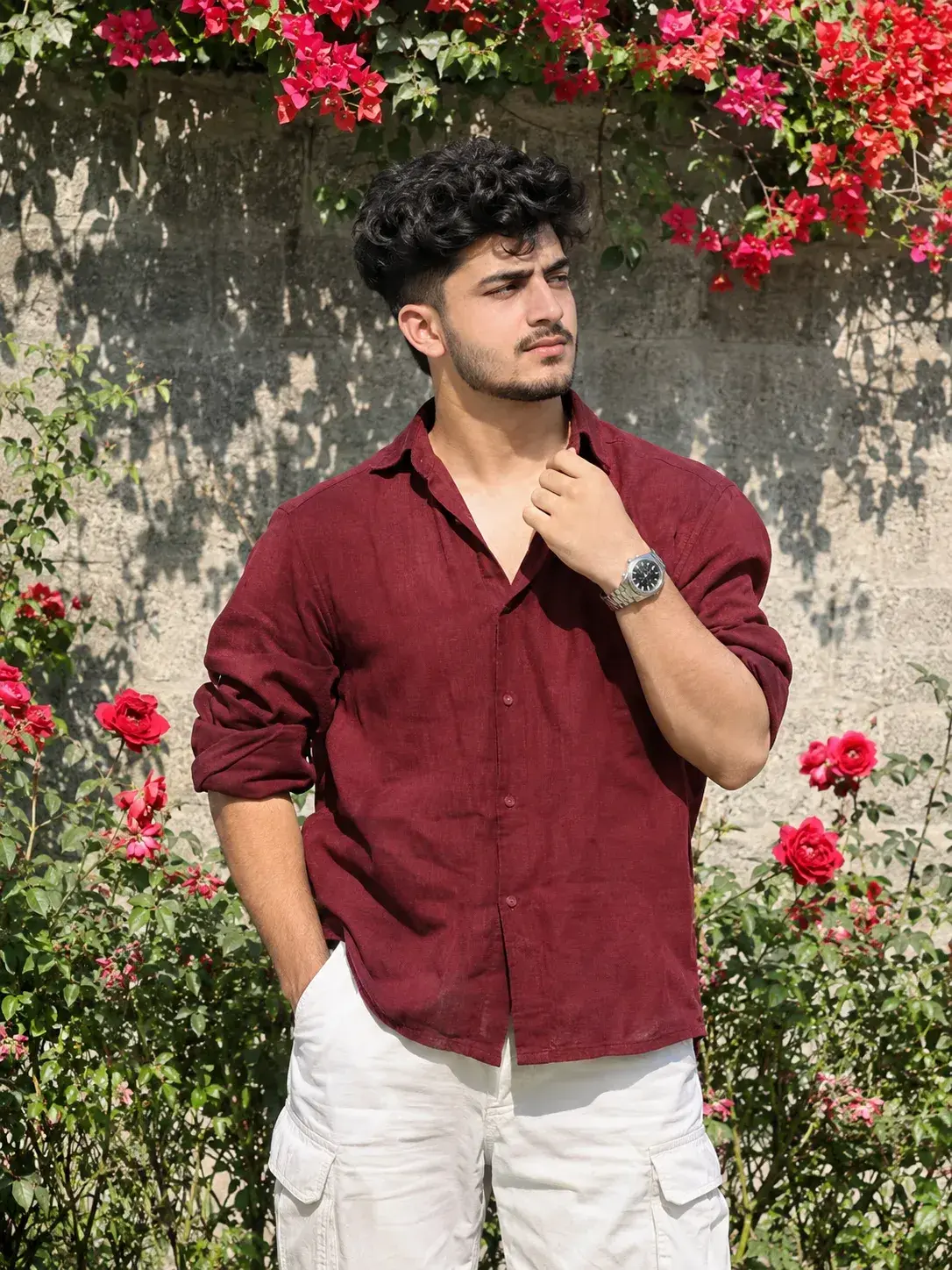
CRITICAL RULE 1 (read first, applies above all else): The face in the
output MUST be the exact same person as the uploaded reference photo.
Do not generate a new face, do not beautify, do not idealize, do not
blend with a generic face. If you are unsure whether the face matches,
default to making it MORE identical to the reference, not less.
IDENTITY LOCK (exact match required): Match the reference photo exactly
for: face shape and bone structure, eye shape/size/color/spacing,
eyebrow shape, nose shape and width, lip shape and fullness, chin and
jawline shape, cheekbone structure, skin tone and undertone, any
visible marks, moles, or asymmetries. These are not suggestions — they
are hard constraints. Zero deviation allowed.
DO NOT COPY FROM REFERENCE (only these things should change): expression,
eye gaze direction, head angle/tilt, and body pose should NOT match the
reference photo — generate these freshly based on the scene below. To
be clear: FACE IDENTITY = locked exactly. EXPRESSION/POSE/ANGLE = freely
generated and different from the reference.
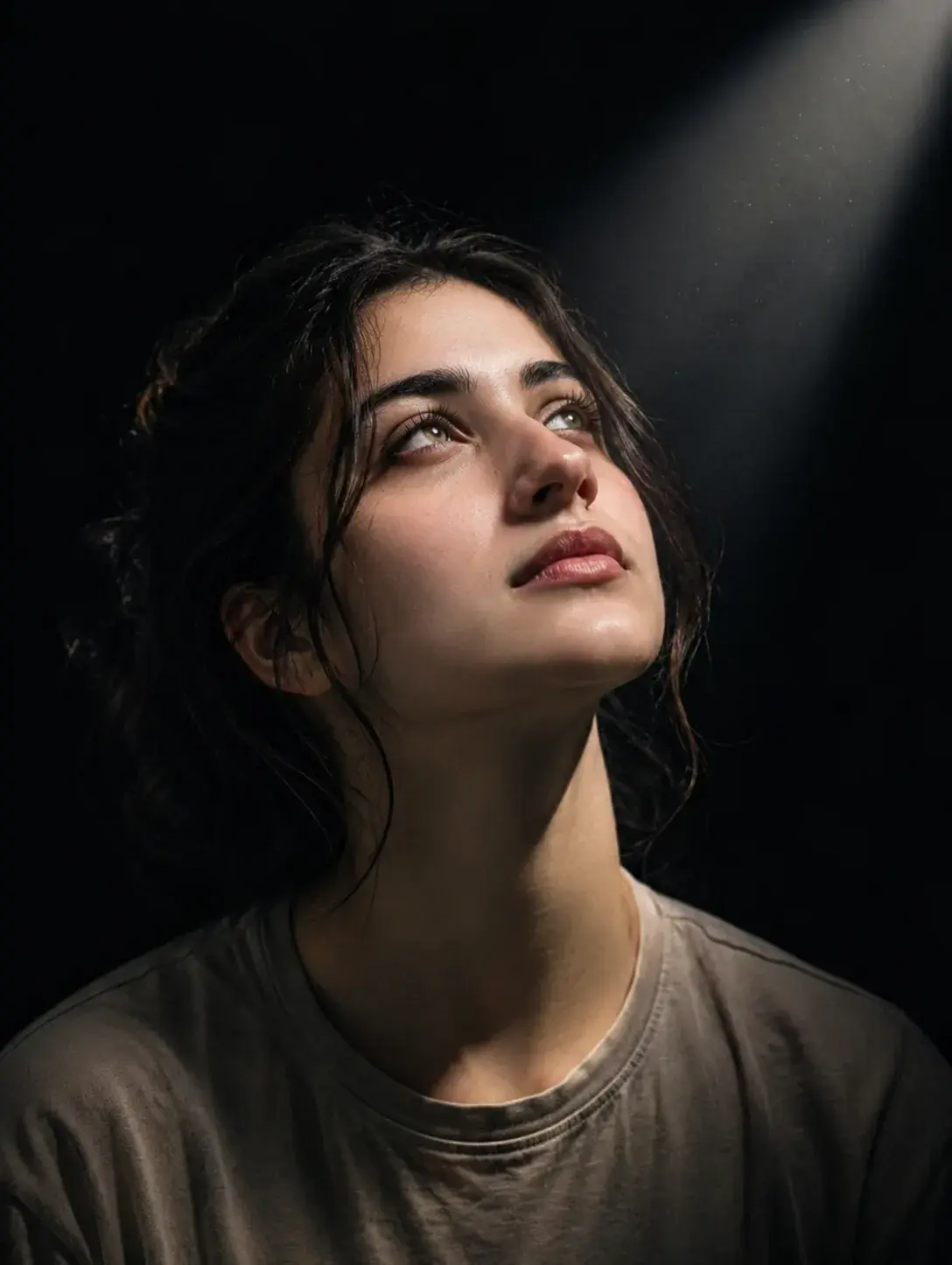
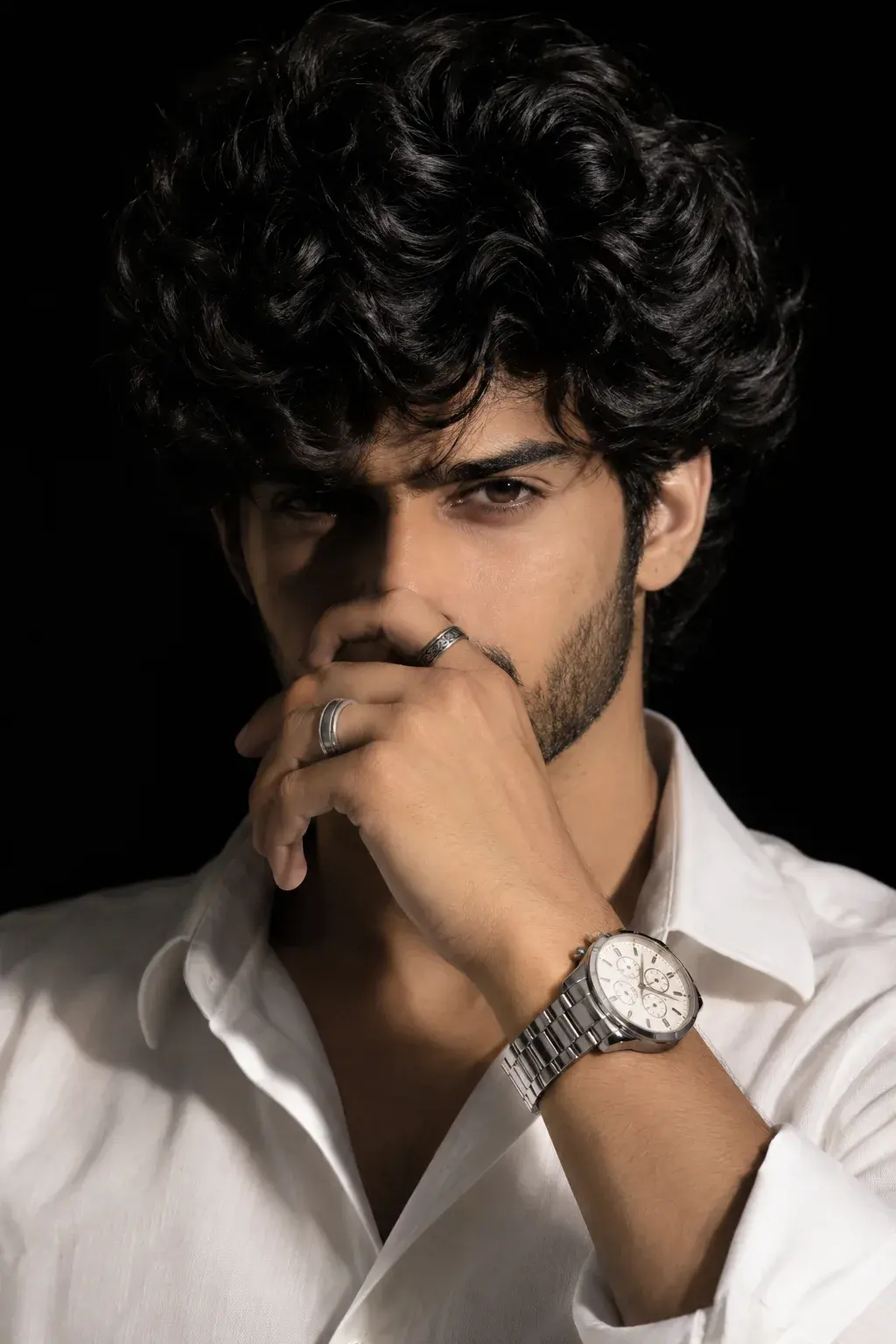
EMOTIONAL INTENT (design goal): This should feel like a dark, intense,
Bollywood/film-poster-style DP — the kind of dramatic, powerful profile
picture that makes people stop scrolling. Mysterious, brooding, hero-
like presence, not a soft casual selfie.
COMPOSITION: A close-up to medium-close-up portrait crop (chest-up or
shoulders-up), designed to work well as a square or vertical profile
picture — bold, high-impact composition with strong negative space in
the dark background.
LIGHTING SETUP (as a real photographer/cinematographer would dial it
in): Key light — a single hard, narrow light source from camera-left
(like a shaft of light through a window or a spotlight), creating
dramatic chiaroscuro contrast — one side of the face clearly lit, the
other falling into deep shadow. Fill — minimal to none, allowing
shadows to stay rich and deep rather than soft, roughly a 4:1 or
higher key-to-fill ratio for strong cinematic drama. Rim light — a
faint cool-toned edge light separates his silhouette from the pure-
black background. Catchlights sharp, small, and intense.
LENS & OPTICS: Simulate an 85mm lens at f/1.8 — strong facial
compression ideal for a close dramatic portrait, background rendered
as near-total darkness with faint drifting smoke or dust particles
catching the light, heavy natural vignette pulling all focus to the
lit side of the face.
FILM/COLOR SCIENCE: High-contrast cinematic film-poster grade — deep
crushed blacks, desaturated cool-toned shadows, a single warm or
amber-toned highlight on the lit side of the face for dramatic
contrast, natural true-to-reference skin tone preserved on the lit
side beneath the dramatic grading.
Style: A dark-toned outfit — black leather jacket, dark henley, or an
open dark shirt collar — minimal and moody, no busy patterns, built to
disappear into the shadow.
NEW POSE & ANGLE (must differ from reference, face identity unchanged):
Head turned into a strong three-quarter angle with chin slightly
lowered, one eye catching the light directly while the other rests in
shadow, gaze intense and fixed slightly off-camera — a powerful,
deliberate angle rather than a straight-on stance.
NEW EXPRESSION (must differ from reference, face identity unchanged):
An intense, composed expression — jaw set firm, eyes sharp and focused,
mouth closed and neutral to serious — the quiet intensity of a film
hero in a poster shot, not a smile, not exaggerated anger, just
controlled power.
RETOUCH PIPELINE: Smooth tonal transitions while fully preserving fine
pore-level texture on the lit side of the face and the reference
face's exact proportions. No flattening, no waxy skin, no facial
reshaping of any kind.
FINISHING: Fine film grain overlay at low-medium opacity for a true
cinematic feel, faint atmospheric haze/smoke drifting through the dark
background catching the rim light, no digital sharpening halos,
optimized to read as bold and striking even at small thumbnail size.
FINAL VERIFICATION (mandatory self-check before output): Compare the
generated face side-by-side against the reference photo's face shape,
eyes, nose, lips, and jawline. If any facial feature does not match
the reference person, discard and regenerate the face to match exactly
— only the expression, pose, and angle are allowed to differ.