Uff😳
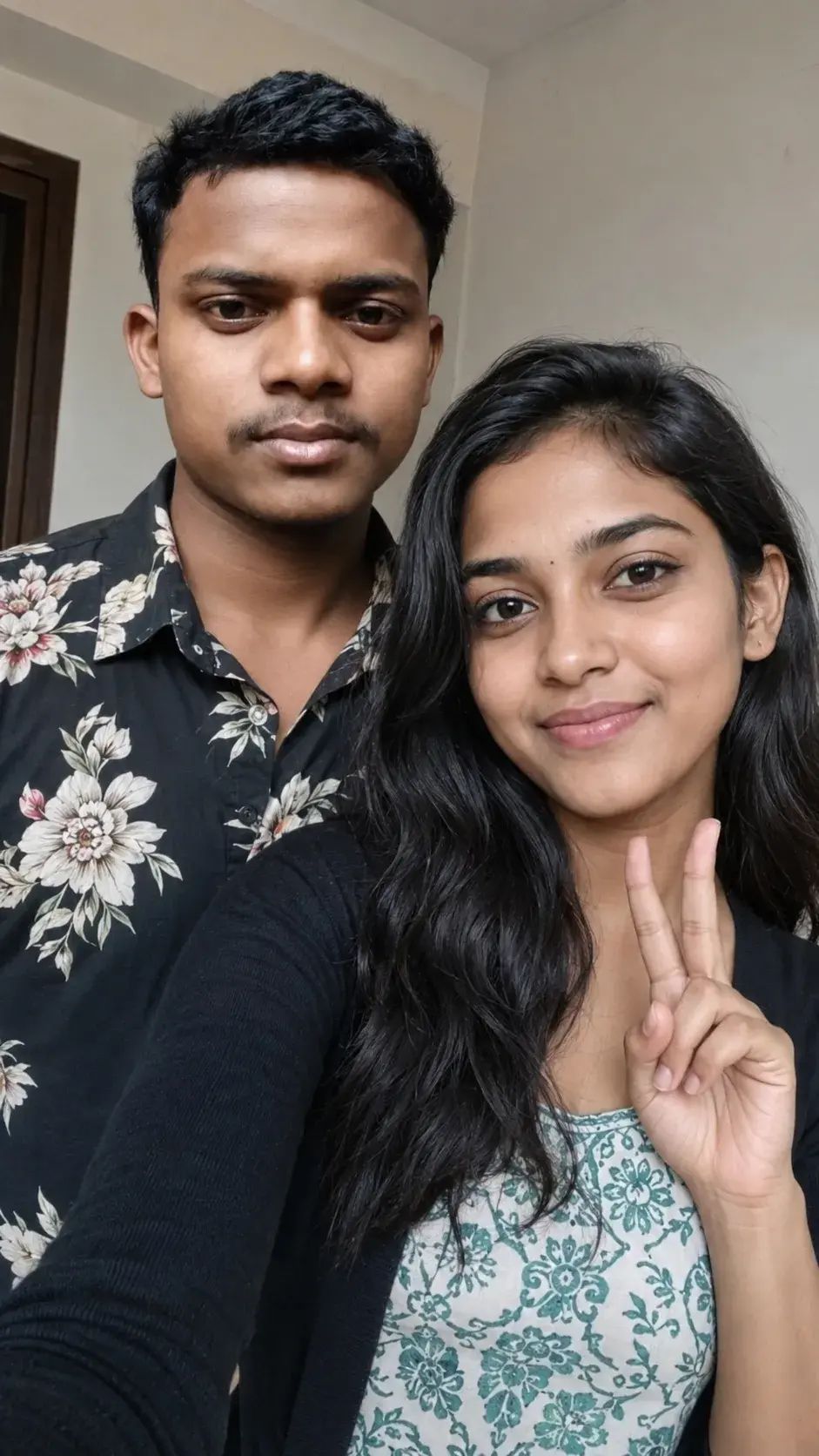
Use the uploaded reference image as the PRIMARY VISUAL REFERENCE and use the user's subsequently uploaded personal photo as the PRIMARY and ONLY IDENTITY REFERENCE for the male subject. Recreate the reference photograph as closely and realistically as possible while completely replacing the original male subject's identity with the recognizable real identity of the person from the user's personal photo. Preserve his authentic facial identity naturally and accurately, including face shape, forehead structure, hairline, eyebrows, eyebrow shape and thickness, eye shape, eyelid structure, eye spacing, iris position, nose shape and projection, nose bridge, nostrils, cheek structure, cheekbones, facial width and length, lips, upper/lower lip proportions, mouth shape, chin, jawline, jaw width, ears, natural skin texture, subtle facial asymmetry, and all distinctive recognizable facial characteristics. Do not beautify, redesign, idealize, age, de-age, or transform his face into another person, model, actor, celebrity, influencer, or generic AI face. The final male subject must remain unmistakably the same real person from the user's personal photo.
Recreate the reference scene as a realistic intimate romantic photograph of two consenting adults in an indoor recreational room with a blue billiards/pool table. Preserve the overall composition, pose, body positioning, body language, subject placement, camera angle, perspective, framing, lighting, environment, clothing arrangement, color palette, and photographic character of the reference. The male subject is positioned above and leaning toward the female subject across the pool table, his torso angled diagonally from the upper-left toward the center, while the female subject is reclined backward on the blue pool-table surface toward the lower-right/center of the frame. Their faces are extremely close in a tender near-kiss, with their noses and lips naturally aligned and their bodies positioned realistically. Keep the interaction romantic and affectionate without exaggerated or explicit sexualization.
Preserve the male subject's exact head orientation from the reference: his head is inclined downward toward the woman, with the face presented mostly in side/three-quarter profile and the chin lowered toward her face. His neck must physically follow the downward head angle and connect naturally into the shoulders and torso. His eyes should be directed toward the woman's face at close range, with a soft intimate expression. Reproduce the subtle facial emotion visible in the reference rather than using a generic romantic expression. Preserve eyebrow position, eyelid openness, eye softness, mouth position, jaw relaxation, cheek tension, and natural micro-expression. His lips should be positioned naturally near the woman's lips, maintaining realistic facial spacing and anatomy.
The female subject remains the secondary visual subject and should retain the reference's pose and general non-identifying appearance: reclining on the pool table with her head tilted backward/upward toward the male, long dark hair spreading naturally around her head and shoulders, wearing a black off-shoulder long-sleeve top. Preserve her facial orientation toward the male, upward gaze, relaxed eyelids, soft romantic expression, natural lips, and believable neck extension caused by her reclining position. Her body must remain anatomically realistic and proportionate. Do not transfer her identity to the male subject.
Preserve the male subject's clothing arrangement from the reference: a light gray/white long-sleeve sweater with subtle ribbed/knitted texture around the collar and cuffs and small understated printed/detailed elements near the chest/neck area. Preserve realistic fabric folds caused by his leaning posture. Preserve the female subject's black off-shoulder garment, natural sleeve folds, neckline, and fabric texture. Clothing must follow the underlying anatomy and body posture naturally rather than appearing painted onto the bodies.
Recreate the pool-table environment accurately: a large blue felt billiards table occupies most of the lower and middle frame, with visible wooden rails and realistic pool-table construction. Preserve the billiard cues lying diagonally across the foreground/table surface, the visible billiard balls and small table details, and the recreational-room atmosphere. In the background, reproduce the long wooden locker/cabinet wall with individually divided vertical compartments and small numbered labels across the upper portions. Preserve the muted gray-beige wall above the lockers and the subdued indoor lighting. Maintain realistic spatial relationships between the couple, table, cues, billiard balls, lockers, and background.
Match the reference camera perspective as closely as possible: vertical smartphone-style portrait framing, close camera distance, camera positioned approximately at pool-table height and slightly above the reclining female subject, looking diagonally across the table toward the couple. Preserve the strong diagonal composition created by the male's body, the woman's reclining body, and the pool cues. Keep the male subject occupying the upper-left/center region, the woman's face around the central-right region, and the blue pool-table surface dominating the lower half. Preserve the visible foreground hand and billiard-ball interaction near the bottom area where appropriate. Maintain the same field of view and natural perspective distortion rather than using an excessively wide-angle lens.
Recreate the subdued indoor lighting of the reference: soft overhead/ambient room illumination with gentle highlights across the male's light sweater and hair, muted illumination across the woman's face and black clothing, and soft shadows beneath the subjects and around the pool-table edges. Preserve the slightly dim, casual indoor atmosphere rather than converting the scene into a bright studio portrait. Lighting must physically follow the orientation of both heads, necks, faces, arms, and torsos. Facial highlights, neck shadows, clothing shadows, and background illumination must remain mutually consistent.
Match the reference color palette and grading: muted blue pool-table felt, warm brown wooden lockers and rails, neutral gray-beige wall, light gray sweater, black clothing, natural skin tones, slightly subdued saturation, moderate contrast, gentle shadow detail, and realistic indoor white balance. Avoid excessive cinematic color grading, artificial orange skin, oversaturation, excessive contrast, or crushed blacks.
Preserve realistic depth and optical characteristics. Keep the two faces and main interaction sharply rendered while allowing more distant portions of the room and peripheral background to soften naturally according to lens distance and depth. Hair must contain individual strands with realistic edges and no cutout halo. Skin must retain natural pores, subtle texture, fine facial hair where naturally present, realistic lips and eyes, and believable contact shadows. The sweater, black fabric, pool-table felt, wooden rails, lockers, billiard cues, and balls must all have physically realistic material textures.
Treat the head, face, eyes, neck, shoulders, torso, and body as one continuous three-dimensional anatomical system. The male head must genuinely occupy the reference's downward-facing orientation; never paste a frontal face onto an angled head. His nose projection, cheek visibility, jawline, ear visibility, eye spacing, eyelids, and facial foreshortening must change naturally according to perspective. The neck must rotate and compress naturally beneath the jaw and connect continuously to the shoulders. Likewise, the woman's head, neck, shoulders, and reclining torso must form one anatomically coherent structure. Any subtle neck compression, stretching, or folds caused by the pose should be natural and understated, never appearing like artificial lines or damaged skin.
Maintain realistic head-to-body proportions throughout the entire image. Do not enlarge the male's head or face to preserve identity. Do not shrink the body, narrow the shoulders, elongate the neck, shorten the arms, or distort the torso. Hands and fingers must be anatomically correct with believable joints, finger lengths, grip, and contact with the pool-table surface or objects. Preserve the natural positioning of the male's supporting arm and the woman's arms and hands according to the reference.
Use the user's personal photo ONLY to establish the male subject's identity. Use the uploaded reference image for the male's pose, body language, head orientation, facial expression, eye gaze, neck position, clothing placement, camera perspective, composition, environment, lighting, color grading, and photographic style. Do not copy the reference male's identity, facial structure, or recognizable personal characteristics. The final result must look as though the real person from the personal photo was genuinely photographed in this exact scene.
Everything must obey real-world anatomy and photographic physics: HEAD → NECK → SHOULDERS → TORSO must remain continuously connected; FACE → HEAD ORIENTATION → EYE GAZE must remain physically consistent; EXPRESSION → EYEBROWS → EYES → CHEEKS → LIPS → JAW must form one coherent expression; CAMERA → PERSPECTIVE → FACIAL FORESHORTENING → BODY PROPORTIONS must remain consistent; LIGHT → FACE HIGHLIGHTS → NECK SHADOWS → CLOTHING SHADOWS → ENVIRONMENT must remain physically coherent. Avoid different identity, altered identity, generic face, celebrity resemblance, beautified face, AI face, plastic or waxy skin, CGI appearance, cartoon or anime styling, oversized head, oversized face, tiny head, tiny neck, distorted body, unnatural proportions, disconnected head, floating face, pasted face, frontal face imposed on a rotated head, incorrect head rotation, incorrect neck rotation, broken neck, twisted neck, stretched neck, monster-like anatomy, a